
- Home
- Rodent control services
Rodent control services
Droppings you cannot name, noises in the wall, a smell, a dead animal or a tenant's report: describe it and we tell you what it most likely is and what the treatment costs.
- Rats, mice and grey squirrels
- Species worked out from your description
- Fixed price before the visit
- Follow-ups already in the price

Get a fixed price for the treatment
Tell us what you have seen and heard, where, and when it started, and we reply by email with a fixed price for the whole treatment.
Sent.
Prefer to write? Email hello@rodent-control.uk with your postcode, your phone number and what you have found.
This is the page for anyone who knows something is living in the house but not what. Perhaps there are droppings behind the cooker and you cannot tell whether they came from a rat or a mouse. Perhaps something scurries across the patio at dusk, there is scratching behind the plasterboard at night, a sour smell has started in the hallway, or a tenant has rung to say they found a dead animal under the stairs. Describe whatever you have found, however little it is, and we tell you what it most likely is before you pay for anything.
Rodent Control treats brown rats, house mice and grey squirrels in homes, flats, lofts, gardens, outbuildings and business premises across England, Scotland, Wales and Northern Ireland. We do not treat moles or insects; this site is about rats, mice and grey squirrels. Once the species is clear from the signs you describe, the job follows one of our three main pages: rat control, mouse control or grey squirrel control. Each of them sets out the visits, what the technician does and what to prepare.
Whatever it turns out to be, the price works the same way. Describe what you have seen and heard, add your postcode, and we reply by email with one fixed figure that covers the first visit and the follow-ups. For rats and mice that is usually 2 to 3 visits over 2 to 3 weeks; for a squirrel it is the trapping visits in the roof. Nothing is added on the day, and proofing is quoted separately once the technician has found the way in. If the description leaves room for doubt, the technician confirms the species on the first visit and the price does not change.
If you would rather do some detective work first, our guide to the signs of rats or mice in your house goes through droppings, gnaw marks, smears and sounds room by room, and how to get rid of rats weighs up the council, shop products and a professional treatment. Noises above the bedroom ceiling are covered on our loft page, and anything by the shed, the decking or the compost bin belongs on the garden page, both linked below.
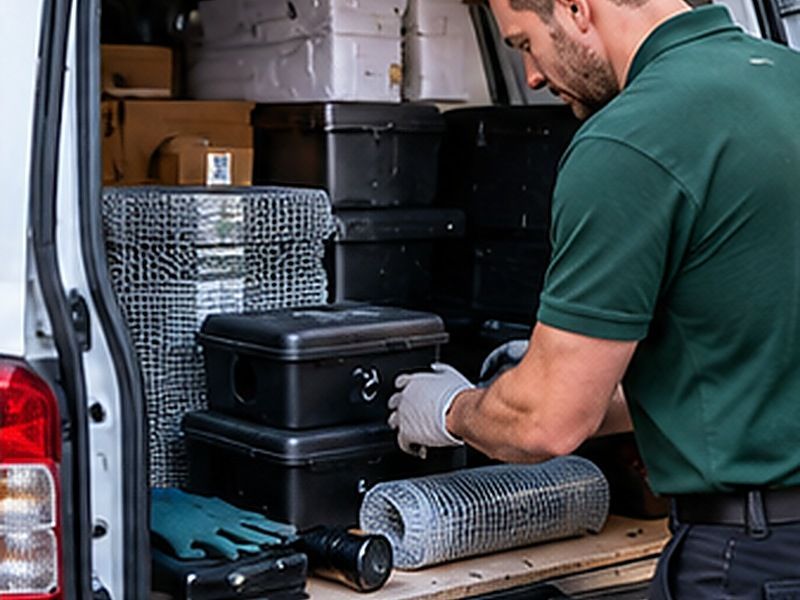
One fixed price from what you tell us
Whatever the signs turn out to mean, we send one price for the whole treatment, with the follow-up visits already in it. Proofing is quoted separately on the first visit once the technician has found the entry point.
What the treatment includes
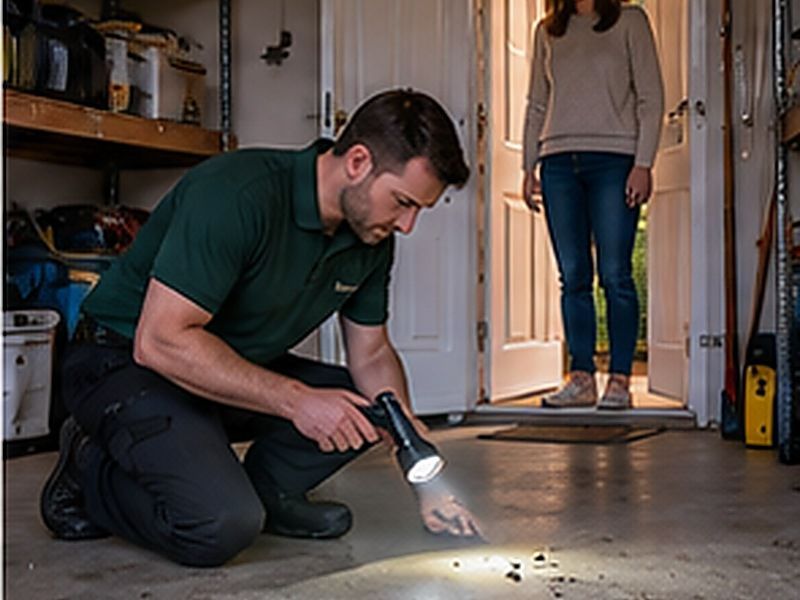
What the treatment covers
- Survey of the house, loft and outside
- Rat, mouse or squirrel confirmed from the signs
- Tamper-resistant stations or traps
- Follow-up visits included
- Search for carcasses and removal
- Advice on sealing the entry points
- Written summary at the end
- Advice on cleaning up safely
What the technician does on the visit
- Looks at the droppings you left in place
- Checks the timing and type of the noises
- Traces smears and tracks to the entry point
- Lifts the loft hatch and checks the insulation
- Checks the drains and airbricks outside
- Removes a dead animal found on the survey
- Places stations or traps for the species found
- Tells you which page the job now follows
How we work out what you have
-
Tell us what you have found
Say where the droppings are, roughly how big they are and what has been gnawed, plus when you hear noises and where in the building. A guess at the species is not needed.
-
Get a fixed price
We reply by email saying what it most likely is, which treatment applies and the one price for all the visits. Proofing comes later as a separate quote.
-
The first visit
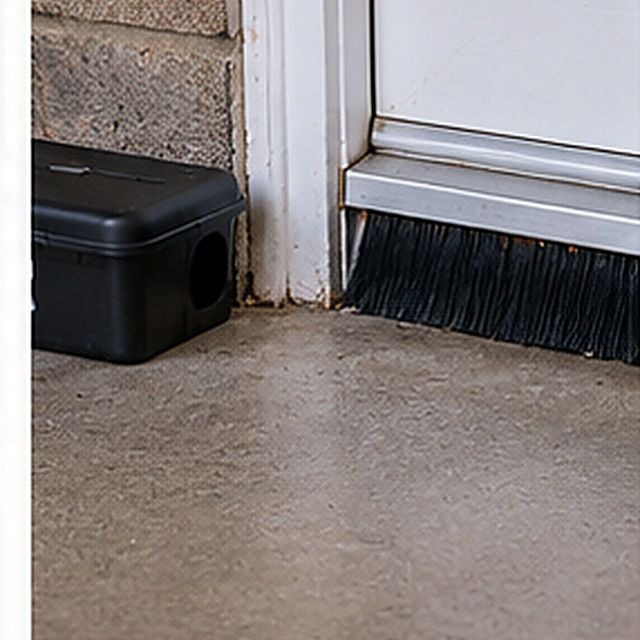
The technician confirms the species from the droppings, gnawing and tracks, surveys the property for the way in and places tamper-resistant bait stations or traps where the activity is.
-
The follow-ups
Stations and traps are checked and refreshed, carcasses are searched for and removed, and the final visit ends with a written summary and the proofing that would stop a repeat.
Why people use us
No need to know the species
Rats, mice and grey squirrels leave different droppings, different noises and different damage. What you describe is usually enough for us to say which, and the technician confirms it on the first visit.
The follow-ups are in the figure
The price we send is for the whole treatment, not a single call-out. A standard rat or mouse treatment is typically 2 to 3 visits, and every one of them is covered.
Nothing loose in your home
Bait only ever goes in tamper-resistant stations, and traps are checked on every visit. We do not use glue traps, and carcasses are searched for and taken away.
A BPCA member contractor
Whichever treatment it turns out to be, the contractor who carries it out is a BPCA member and CPD registered, ISO 9001 certified and SafeContractor approved.
Telling rats, mice and squirrels apart from the signs
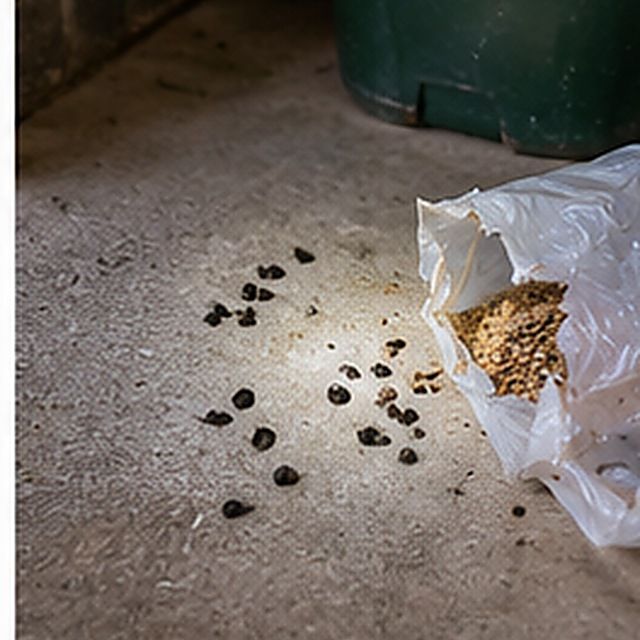
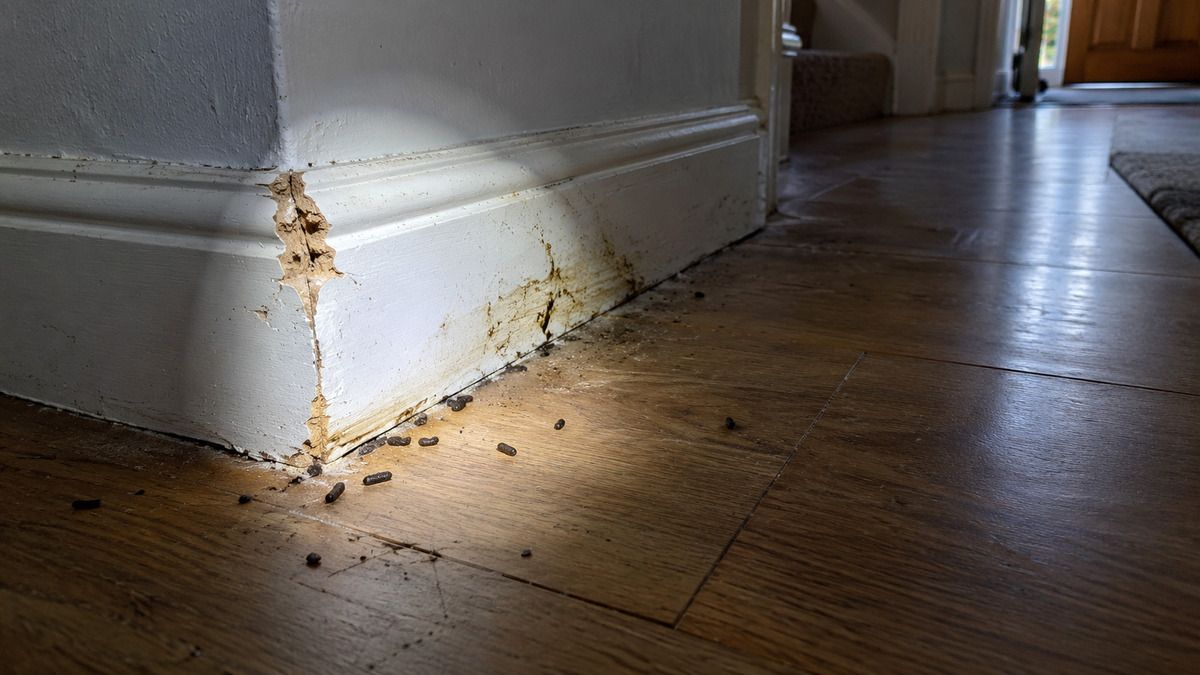
Droppings are the quickest clue. A house mouse leaves many small, dark pellets about the size of a grain of rice with pointed ends, scattered wherever it has run. A brown rat leaves fewer, larger droppings, closer to the size of a large raisin and blunt at the ends, often grouped in one place. Grey squirrel droppings are rounder than a rat's and are almost always found in a loft or roof space rather than a kitchen. Noises help too: squirrels are active in daylight, especially around dawn and dusk, and sound like something heavy running across the ceiling, while rats and mice are mostly heard at night as scratching or gnawing inside a wall. A strong ammonia smell points to mice; a musky, stale smell is more often rats.
Leave everything as it is until the technician has seen it. Do not sweep up the droppings, throw away the gnawed packet or block the hole, because each of those tells the technician the species, the route and how many there are. Make a note of where you have found signs and when the noises happen, and put that on the form. Clear the floor under the kitchen units and in front of the loft hatch so the survey is quick, keep food in sealed containers, and tell us about dogs, cats or small children so stations are placed where they cannot be reached. If a dead animal is involved, do not handle it with bare hands; say where it is and the technician removes it on the visit.
Once the species is confirmed, the job runs as a rat, mouse or squirrel treatment and you receive the follow-up visits that go with it. For rats and mice, the second and third visits check the stations, remove any carcasses and look for new signs; for a grey squirrel, the technician returns to check the traps in the loft, and a trapped grey squirrel cannot legally be released, so it is humanely dispatched. At the end you get a short written summary of what was found and a list of the proofing that would stop it coming back, quoted separately. A landlord who sent us a tenant's report gets the same summary, which is often all that is needed to close the matter with the tenant.
Before and after
Other rodent problems we deal with
-
Rats
Brown rats in and around the house
Find out more -
Mice
House mice in kitchens and walls
Find out more -
Noises in the loft
Scratching at night, droppings on insulation
Find out more -
Garden, shed and decking
Burrows, compost bins, bird feeders
Find out more -
Proofing
Sealing the gaps they get in through
Find out more -
Squirrels
Grey squirrels in the loft and roof
Find out more
View every rodent service
-
A BPCA member contractor The company that does the work is a BPCA member and CPD registered
-
Fixed price by email One figure for the whole treatment, nothing added on the day
-
Follow-up visits included A standard treatment is 2 to 3 visits over 2 to 3 weeks
-
Safety assessed firms ISO 9001, British Safety Council, SSIP and SafeContractor
Guides that go with this
Questions from people who are not sure what they have
I found droppings but cannot tell what made them. What do I tell you?
Compare them with a grain of rice and a raisin and tell us which they are nearer to. Say where they were, how many there are, whether they are hard and dry or soft and fresh, and whether you have heard anything. From that we can usually say rat or mouse, and the technician confirms it on the first visit.
There is a noise in the wall at night. Is that rats or mice?
Scratching or gnawing inside a wall or ceiling after dark is most often rats or mice, since both are active at night. Daytime running, particularly first thing in the morning, points to grey squirrels in the roof. Tell us the time of day and where in the house, and we point you to the right treatment.
Something ran across the patio. Does that need a treatment?
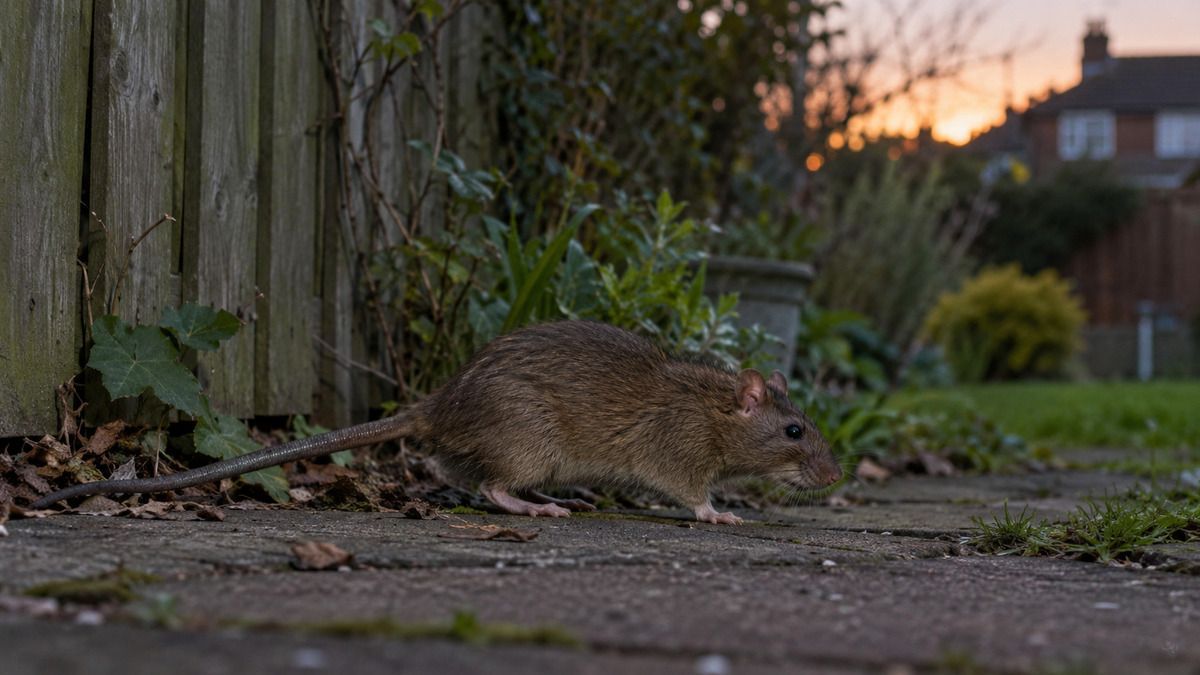
One rat on the patio at dusk usually means a burrow, a compost bin or a bird feeder nearby is keeping it fed. Tell us about the garden, any holes under the shed or decking and anything you have seen it eat, and we price a garden treatment with the follow-ups included.
We found a dead rat. Is that the end of it?
Not always. A single carcass with no other signs may be a one-off, but droppings, gnawing or a smell alongside it suggest more. Tell us about the carcass and anything else you have found, and we say whether a treatment is worth booking. If one is, the contractor who takes the carcasses away holds a waste carrier licence for England and Wales.
My tenant has reported rodents. Can you deal with it for me?
Yes. Pass on the tenant's description, tell us who to contact for access, and we reply to you with the fixed price. The technician arranges the visits with the tenant, and the written summary and proofing list come back to you for your records.
Do you deal with anything other than rodents?
No. We treat brown rats, house mice and grey squirrels and nothing else, so moles in the lawn or anything with six legs is a job for someone else. If what you describe is not a rodent, we say so rather than booking a visit.
Not sure what it is? Tell us anyway
Use the form above, or email hello@rodent-control.uk with your postcode and what you have found. We reply with a fixed price and the earliest visit we have.