
- Home
- Rats in the garden and shed
Rats in the garden and shed
Burrows under the shed, a rat by the bins in daylight or runs along the fence: tell us what you have seen and we reply with one fixed price for the treatment.
- Burrows, decking and sheds
- Anchored bait stations
- Follow-up visits included
- Next day where possible

Get a fixed price for the treatment
Tell us what you have seen and heard, where, and when it started, and we reply by email with a fixed price for the whole treatment.
Sent.
Prefer to write? Email hello@rodent-control.uk with your postcode, your phone number and what you have found.
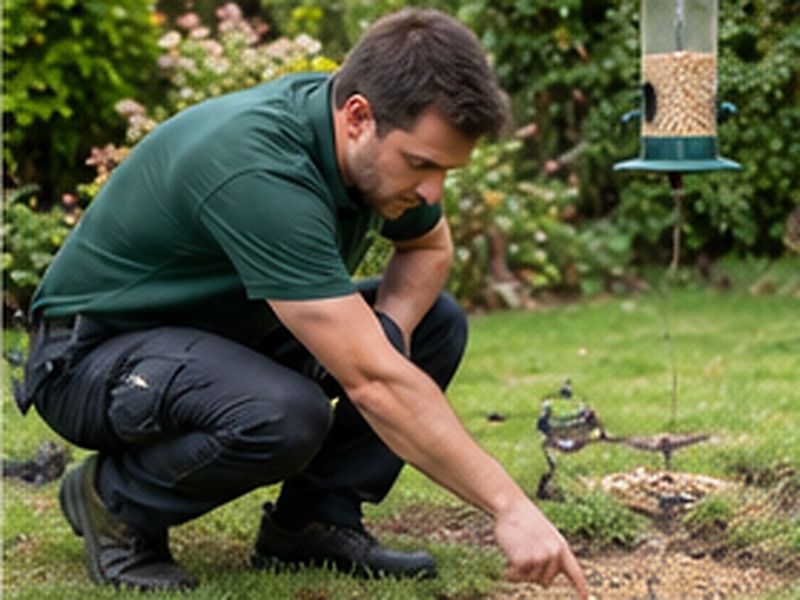
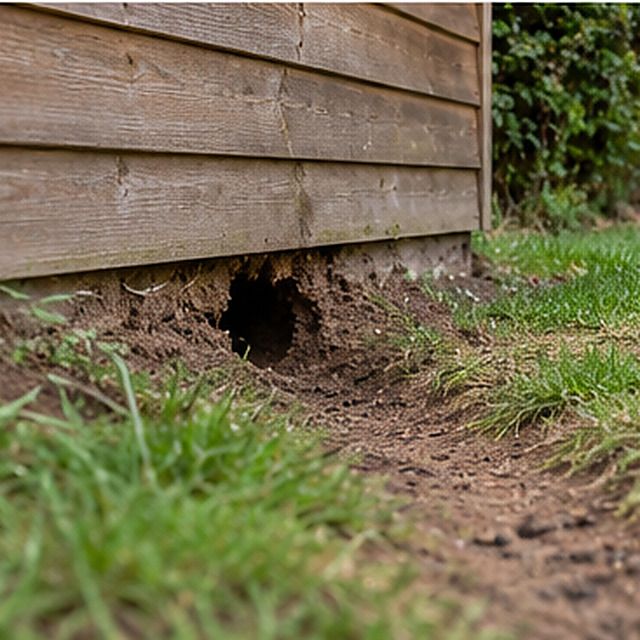
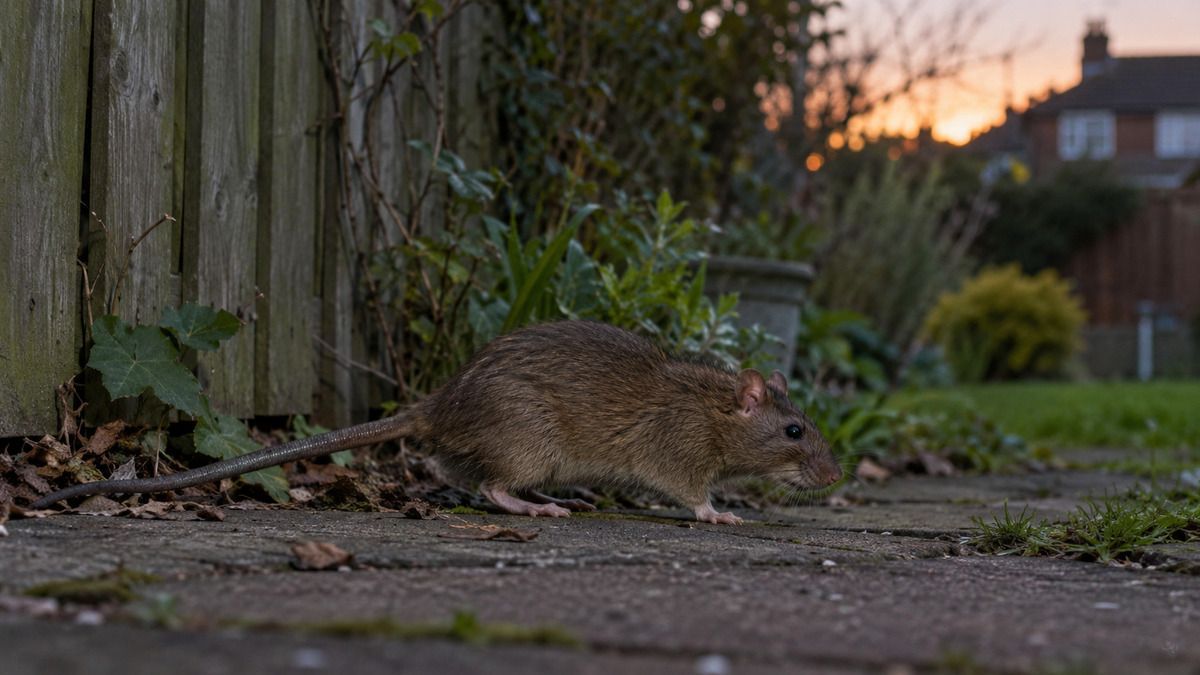
Rats in the garden usually give themselves away before anyone sees one. A hole the size of a fist under the shed with smooth, worn earth at the mouth is a burrow. Greasy runs appear along the bottom of a fence, droppings collect around the compost bin, and the ground under a bird feeder is picked clean every morning. A rat out by the bins in daylight is worth taking seriously, because rats feed at night by choice and only come out in the day when there are too many of them for the food on offer.
The technician starts by walking the garden to find the burrows, the runs and the food. Decking, a chicken run, a compost heap and the gap under a shed are checked, along with the drains and gullies outside the house, since a damaged drain often feeds a garden population. Tamper-resistant bait stations are then anchored where the activity is, and sheds, garages and outbuildings are treated at the same time. Rats are wary of anything new, so the bait can take a few days to be taken. Our rat control page covers what happens when they have reached the house.
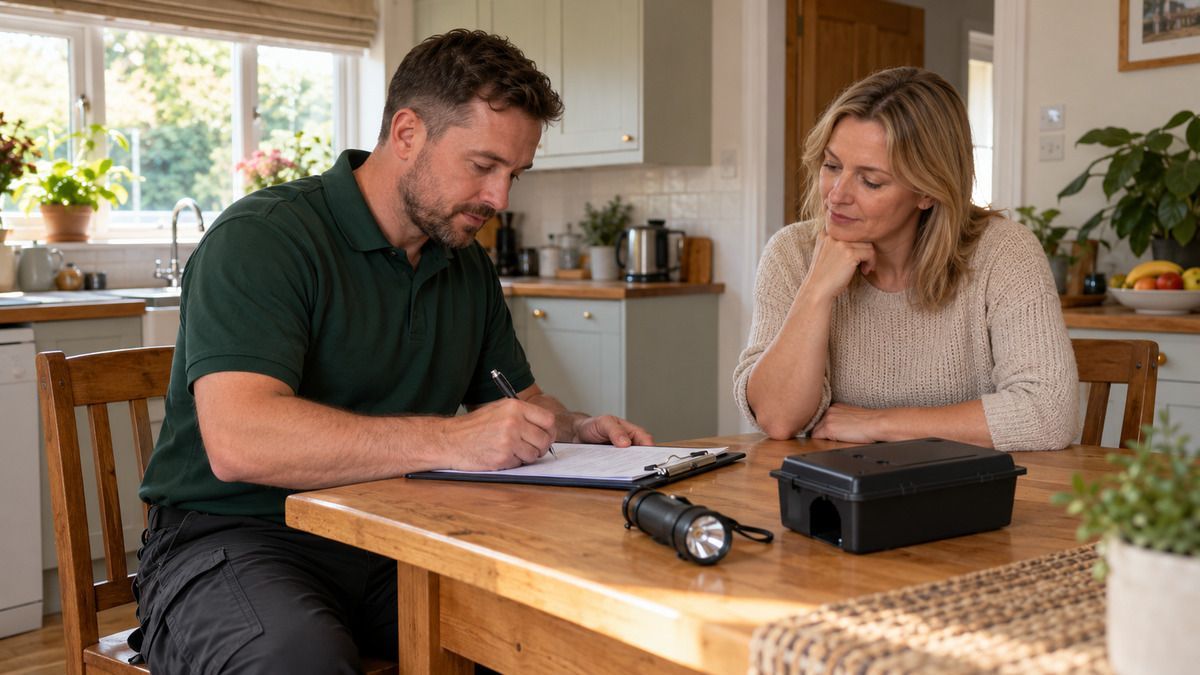
The price is one figure for the whole treatment. Fill in the form with what you have seen, where the burrows are, when it started and whether you keep chickens or feed the birds. We reply by email with a fixed price that covers the first visit and the follow-ups, and nothing is added on the day. A standard rat treatment is typically 2 to 3 visits over 2 to 3 weeks. Our guide to what affects the cost of rodent control explains why a garden with several burrows is priced differently from a single shed.
Garden rats rarely stay in the garden. Once a shed or the bins have fed them through the autumn, they look for somewhere warmer, and the next call is often about noises in the loft. Proofing the shed base and the gaps under the decking is part of the advice you get, and our rodent proofing page sets out what sealing those gaps involves. If you want the wider view first, read how to get rid of rats, which compares shop products, the council and a treatment with follow-ups.

One fixed price from your description
The figure we send covers the first visit and the follow-ups. Proofing is quoted separately on the first visit once the technician has found where they are getting in.
What the treatment includes
What the treatment covers
- Survey of the garden and outbuildings
- Species confirmed from droppings and burrows
- Anchored tamper-resistant bait stations
- Follow-up visits in the price
- Carcass search and removal
- Advice on proofing sheds and decking
- Written summary at the end
- Advice on sanitising the shed
What the technician does on the visit
- Walks the fence lines for runs
- Finds burrows under sheds and decking
- Checks compost bins and chicken runs
- Looks at drains and gullies outside
- Treats sheds, garages and outbuildings
- Anchors stations out of reach of pets
- Advises on feeders and rubbish storage
- Books the follow-up visit
How a garden rat treatment works
-
Describe the problem
Tell us where the burrow, the run along the fence or the droppings by the bins are, when you first noticed them, and whether you have chickens, a compost bin or bird feeders.
-
Get a fixed price
We reply by email with one figure for the whole treatment, including the follow-up visits. The price covers sheds, garages and outbuildings as well as the garden itself.
-
The first visit
The technician surveys the garden, confirms it is rats, finds the burrows and the food, and anchors tamper-resistant bait stations where the activity is. You get advice on what to change.
-
The follow-ups
On each return visit the stations are checked and refreshed, the burrows are looked at for fresh digging, and any carcasses are found and removed. Activity usually drops between visits.
Why people use us
One price for the garden
The figure covers the lawn, the beds, the shed, the garage and any outbuilding on the plot. Nothing is added when the technician finds a second burrow.
Stations that stay put
Bait is only placed in tamper-resistant stations, and outdoors they are anchored so a dog, a fox or a child cannot tip them over or carry them off.
Licensed waste carriers
The company that does the work is a BPCA member and CPD registered, ISO 9001 certified, and holds a waste carrier licence for England and Wales, so carcasses and used bait leave the garden legally.
Advice that stops the return
You are told what is feeding them and what proofing would keep them out of the shed, with a written summary of it all when the treatment ends.
What treating rats in the garden involves
A garden population is almost always fed by something close by, so the treatment starts with the food rather than the rats. Spilt seed under a feeder, a compost bin with cooked scraps in it, chicken feed left in the run overnight and a bin bag left beside a full wheelie bin are the usual suspects. The technician finds the burrows, which are often under the shed base, beneath decking or in the bank behind a compost heap, and places anchored tamper-resistant bait stations on the runs between the burrows and the food. Outside drains and gullies are checked for a broken pipe or a missing cover, because a rat that lives in the drain will keep arriving however much you tidy the garden.
Before the first visit, leave the burrows and droppings as they are so the technician can see them. Do not fill holes in or move the compost bin, because the rats will simply dig out somewhere else and the evidence is useful. Clear a path to the back of the shed and under the decking where you can. Keep dogs, cats and children away from the stations once they are down, and tell us in advance if you keep chickens, rabbits or guinea pigs so the stations can be sited well away from their runs. Take feeders down for the length of the treatment and store bird seed, chicken feed and pet food in a metal bin with a lid.
Follow-up visits are usually a week or so apart. Fresh digging at a burrow mouth, bait being taken and new droppings tell the technician whether the numbers are falling, and the stations are refreshed or moved to match. Carcasses are searched for in the shed, under the decking and along the fence and removed. Removal is done by a contractor with a waste carrier licence for England and Wales, which covers the spent bait as well. The treatment ends when the signs have stopped, and you receive a summary of what was found and what proofing would keep rats out of the shed and the void under the decking. That proofing is quoted on the first visit and priced separately.
Before and after

Other rodent problems we deal with
-
Rats
Brown rats in and around the house
Find out more -
Proofing
Sealing the gaps they get in through
Find out more -
Noises in the loft
Scratching at night, droppings on insulation
Find out more -
Mice
House mice in kitchens and walls
Find out more -
Business premises
Restaurants, shops, landlords, contracts
Find out more -
Not sure what it is?
Describe what you have found
Find out more
View every rodent service
-
A BPCA member contractor The company that does the work is a BPCA member and CPD registered
-
Fixed price by email One figure for the whole treatment, nothing added on the day
-
Follow-up visits included A standard treatment is 2 to 3 visits over 2 to 3 weeks
-
Safety assessed firms ISO 9001, British Safety Council, SSIP and SafeContractor
Guides that go with this
Questions about rats in the garden
Why am I seeing rats in the garden during the day?
Rats prefer to feed after dark. When you see one by the bins or under the feeder in daylight, it usually means there are more of them than the night-time food supply can support, so the lower-ranking animals are pushed out to feed in the day. Treat it as a sign of numbers rather than a one-off.
Will the bait stations be safe with a dog in the garden?
The stations we use outdoors are tamper-resistant and anchored to the ground or a fixed object, so a dog cannot open them or carry them away. Tell us about pets when you fill in the form and the technician sites the stations where the dog does not go. Keep the dog indoors while the technician is working.
Do I have to take the bird feeders down?
For the length of the treatment, yes. Spilt seed is the easiest meal in most gardens and it keeps rats coming back whatever else is done. Once the treatment has finished you can put them back on a pole with a tray to catch the spill, and sweep up underneath every few days.
Can rats get into the shed if the door is shut?
Yes. A rat needs a gap no wider than a thumb, and most sheds have one along the base, at a corner or where a board has rotted. Rats also burrow beneath the floor and come up inside. The technician treats the shed along with the garden and tells you what proofing would close those gaps.
Is my compost bin the problem?
It can be. Cooked food, meat and bread in a compost bin give rats a steady supply and warmth to nest in. Uncooked peelings and garden waste are less attractive. Keep the lid on, stand the bin on paving or mesh so they cannot dig in from below, and leave the compost alone until the technician has seen it.
What happens if the rats are coming from the drain?
A damaged drain outside is the commonest way rats reach a garden and then a house. The technician checks the gullies and covers on the first visit and tells you if a pipe looks broken. We treat the rats, and for the drain repair itself we point you to a drainage contractor.
Describe the burrow or the droppings and get a price back
Use the form above, or email hello@rodent-control.uk with your postcode and what you have found. We reply with a fixed price and the earliest visit we have.