Does the council do pest control?
If you have found droppings or seen a rat by the bins, the council is often the first place people think of. Some councils still run a pest control service, some charge for it, and some have stopped altogether. This guide explains what the law asks of councils, how their services tend to work and when a private treatment is the better option.
Key points
- The Prevention of Damage by Pests Act 1949 makes councils responsible for keeping their district free of rats and mice, but it does not oblige them to treat your home for free.
- Many councils may offer a pest control service for a charge, and some reduce or waive it for people on certain benefits.
- A number of councils have stopped treating rodents altogether and simply refer residents to private pest control firms.
- Council treatments are usually booked online or by phone, come with a wait and cover a set number of visits.
- A private treatment tends to make more sense when you need a quick visit, follow-ups, proofing advice or a report for business premises.

Does the council do pest control? Sometimes, and it varies by area
There is no single answer, because every council decides for itself. Some still run a pest control team that treats rats and mice in homes. Others have handed the work to a contractor, charge for every visit, or have stopped offering treatments and now point residents to private firms instead. Two neighbouring councils can take completely different approaches, so what a friend in the next borough was offered tells you little about your own.
The one thing every council in England, Scotland, Wales and Northern Ireland shares is a legal duty to keep rats and mice under control in its area. That duty is older than most people realise, and it is the reason council pest control exists at all. What it does not do is give you a right to a free treatment at your house, and that gap is where most of the confusion comes from.
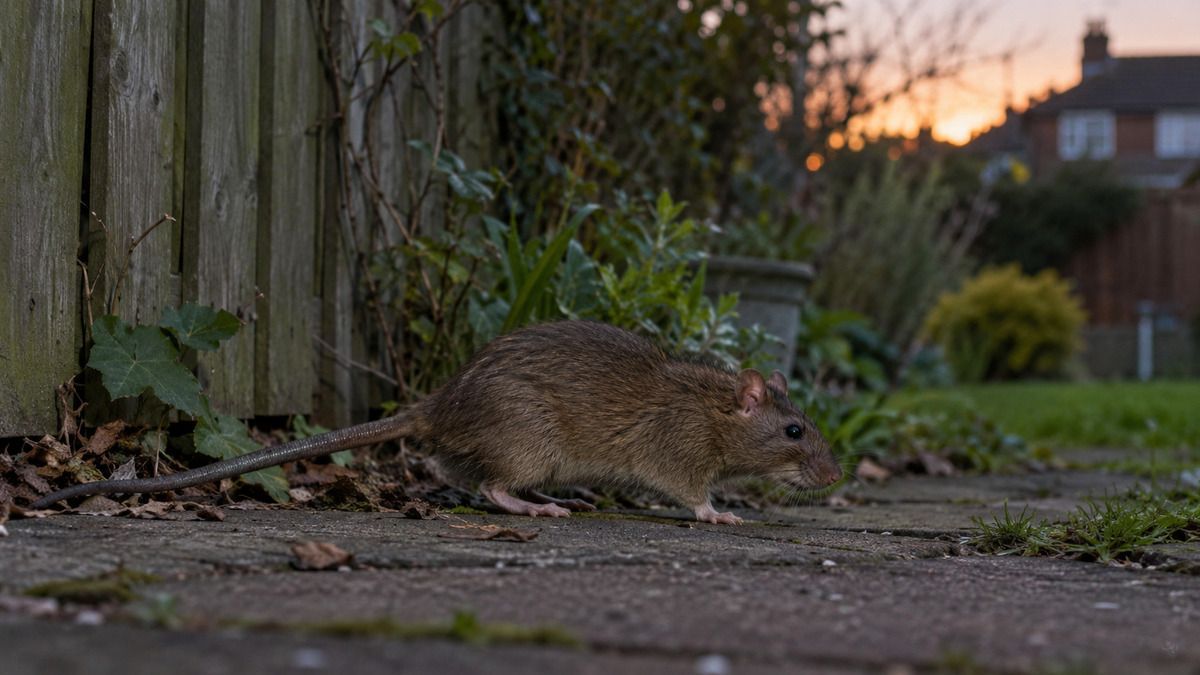
If you are reading this with a rat in the garden or mice in the kitchen, start by searching your council's website for pest control. The page will usually say within a few lines whether they treat rodents, whether there is a charge and how to book. If there is no page, or it says the service has ended, the choice is between dealing with it yourself and booking a private rat treatment or mouse treatment.
What the Prevention of Damage by Pests Act 1949 requires
The Act places a duty on every local authority to keep its district free, as far as it can, from rats and mice. In practice that means investigating reports, dealing with infestations on land the council owns and keeping an eye on places where rodents build up, such as tips, sewers and derelict sites. It is a duty about the area as a whole rather than about any one house.
The same Act gives councils powers over private property. If rats or mice are living on land you own, the council can serve a notice requiring you to take steps to get rid of them and to stop them returning. Ignoring that notice is an offence, and the council can carry out the work itself and recover the cost from you.
So the law cuts both ways. Councils have to take rodents seriously, but it is the owner or occupier who is expected to deal with an infestation on their own property. Whether the council helps you do that, and whether it charges, is a separate decision each council makes for itself.
No council service, or a wait you cannot sit through?
Tell us what you have seen and heard, where you found it and your postcode, and we reply by email with one fixed price for the whole treatment, follow-up visits included.
How a council pest control service usually works
Where a council still treats rodents, the process tends to follow the same shape. You book online or by phone, give your address and describe what you have seen, and you are offered the next available appointment. Demand rises in autumn and winter when rodents move indoors, so there is often a wait before the first visit, and it can stretch at busy times.
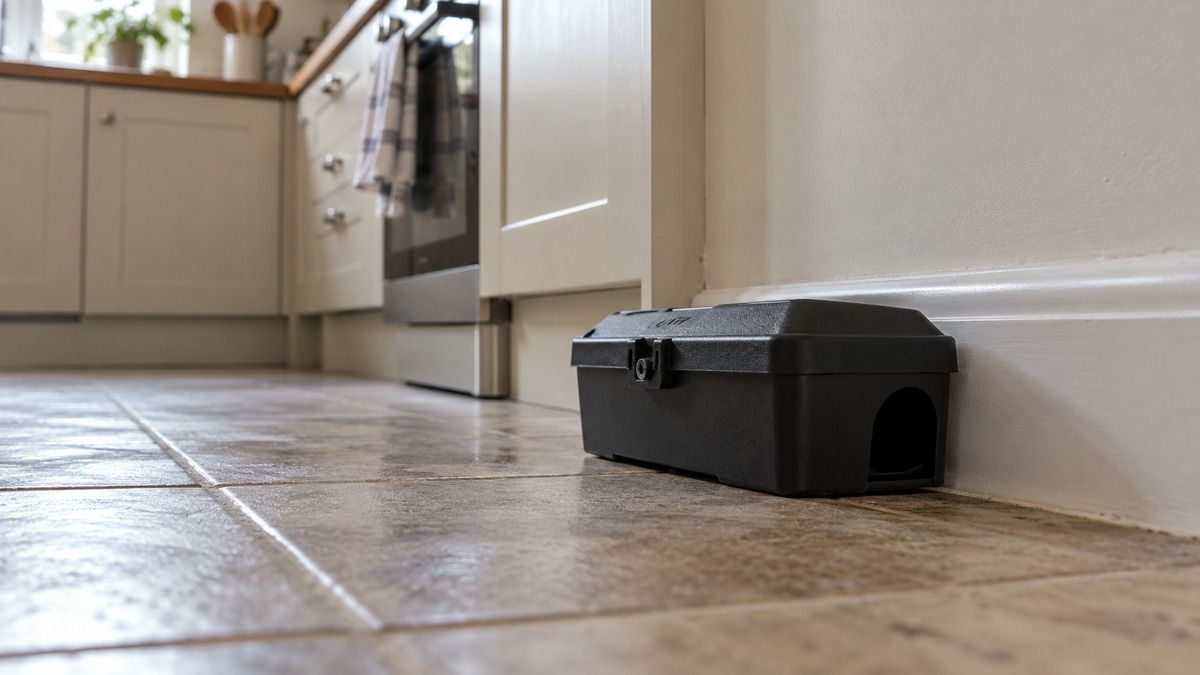
A council treatment normally covers a set number of visits for rats or mice. On the first visit the officer looks at the problem and puts bait or traps down, and on the later visits they check them and take them away. If the job needs more visits than the package allows, you may have to book and pay again. Fees vary a great deal between councils, and some reduce or waive the charge for people receiving certain benefits, so it is worth asking rather than assuming.
What a council service rarely includes is proofing. The officer may tell you where they think the rodents are getting in, but sealing the gap is left to you. Businesses are usually treated differently again, with many councils declining to treat commercial premises at all.
What to check on your council's website
Before you book, read the pest control page carefully. Check that the council treats the species you have, because some will deal with rats but not mice, and few deal with squirrels. Check whether the service covers the garden as well as the house, since some only treat inside. Look for the charge, whether there is a concession for people on benefits, and how many visits the fee includes.
Then look at the practical side. Is there a stated waiting time, and does it fit with how bad the problem is? Does the council treat flats and shared buildings, or does it expect the landlord or managing agent to arrange it? Will the officer give proofing advice, and is there any written record at the end? If the answers are thin, a phone call to the environmental health team usually fills in the gaps.
When a private treatment makes more sense
Speed is the usual reason. Rats and mice breed quickly, and a long wait for a first visit means more droppings, more gnawing and a bigger job when someone finally arrives. A private firm can often get to you sooner. We offer next-day visits where possible, and the price you are sent covers the follow-up visits rather than a single call.
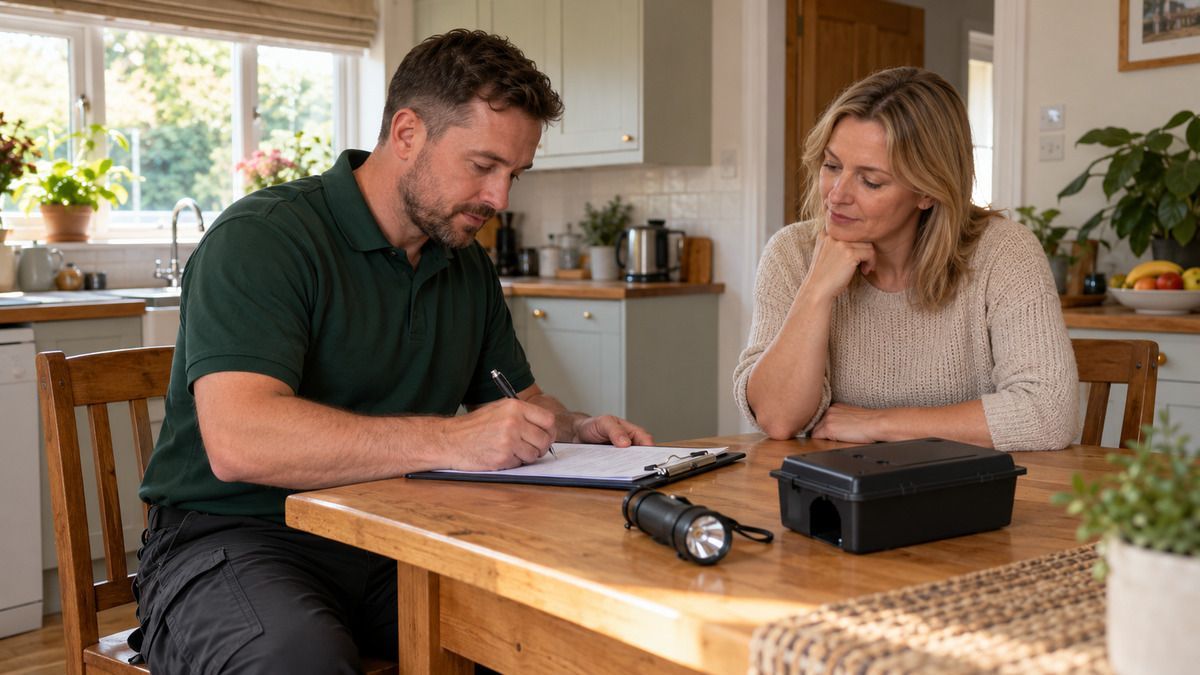
Follow-ups and proofing are the second reason. A rat treatment that stops after the bait has been taken leaves the way in wide open, and the next rat finds it. Our technician looks for the entry point on the first visit, checks and refreshes the stations on each return, searches for carcasses and ends with a summary of what was found and what proofing would stop it coming back. The national company we use is a BPCA member and CPD registered, ISO 9001 and British Safety Council certified, SafeContractor approved and a licensed waste carrier in England and Wales. Whoever you call, council or private, BPCA membership is a reasonable thing to ask about.
Business premises are the third. A cafe, shop or letting agent needs a written report after every visit and a treatment that works around trading hours, which a council service is unlikely to provide. Our commercial rodent control covers that. For a home, if you are weighing the cost of the two routes, read what affects the cost of rodent control first.
Tenants and landlords: who has to deal with it
In general terms, a landlord has to keep the structure of a property in repair, and that includes the gaps rodents use. If mice are coming in through a hole around a pipe, a broken airbrick or a damaged drain, the landlord is usually the one who has to fix the fault and deal with the pests it let in. If the infestation is down to how the property is being lived in, such as food waste left out, the responsibility can sit with the tenant.
Most tenancy agreements say something about pests, so read yours before you argue. Report the problem to the landlord or agent in writing, say where the droppings are and when the noises started, and keep a copy. If nothing happens and the property is in disrepair, the council's environmental health team can inspect and require the landlord to act. Landlords who want the problem sorted without the back-and-forth can pass on what the tenant has reported and get one fixed price for the treatment, with the follow-ups included.
Whichever route you take, do not rely on shop-bought poison in the meantime. It rarely clears an infestation and it creates risks for pets and children, which is covered in why shop-bought rat poison rarely works. If you want every option laid out in order, our guide on how to get rid of rats walks through them one by one.
Questions people ask
Is council pest control free?
Sometimes. A few councils still treat rats and mice at no charge, more charge a fee for a set number of visits, and some reduce or waive it for people on certain benefits. Others have stopped the service. Your council's website will say which applies, and the figure changes often enough that we do not quote it here.
Can the council make me deal with rats on my property?
Yes. Under the Prevention of Damage by Pests Act 1949 the council can serve a notice requiring the owner or occupier to take steps against rats or mice and to stop them returning. Failing to comply is an offence, and the council can do the work and recover the cost.
Will the council treat rats in my garden?
Some will, some only treat inside the home, and some do not treat rodents at all. Check the pest control page on your council's website for what the service covers, and whether gardens, sheds and outbuildings are included, before you book.
My landlord will not deal with the mice. What can I do?
Report it in writing, with the date you first noticed it, and keep a copy. If the mice are getting in through disrepair, the landlord is usually responsible for fixing it, and the council's environmental health team can inspect and require action. A private treatment can also be booked by either party for one fixed price.
Rather not wait for the council?
Fill in the form with what you have seen and heard, where the droppings or damage are and your postcode. We reply with a fixed price and the earliest visit we have.
- Fixed price by email
- Follow-up visits included
- A BPCA member contractor
- Next day where possible

Get a fixed price for the treatment
Tell us what you have seen and heard, where, and when it started, and we reply by email with a fixed price for the whole treatment.
Sent.
Prefer to write? Email hello@rodent-control.uk with your postcode, your phone number and what you have found.